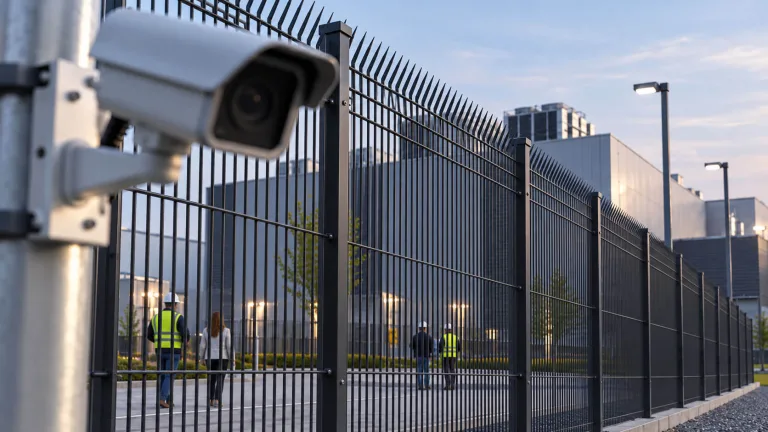

Public safety is becoming an increasingly important responsibility for businesses, venues, and organisations across the UK. With the introduction of Martyn’s Law, formally known as the Terrorism (Protection of Premises) Act 2025, organisations now have a clearer duty to consider and manage the risk of terrorism within publicly accessible spaces.
For many businesses, this means reviewing existing procedures, assessing vulnerabilities, and ensuring appropriate security and safety measures are in place.
What is Martyn’s Law?
Martyn’s Law was introduced to improve public safety and strengthen preparedness against potential terrorist threats. The legislation requires qualifying venues and organisations to take proportionate steps to identify, assess, and reduce the risks associated with terrorism.
The legislation applies to publicly accessible premises and events where people gather, encouraging organisations to adopt a more proactive approach to security planning and incident preparedness.
Does Martyn’s Law Apply to Your Premises?
If your premises regularly expect more than 200 individuals to be present at the same time, it is important to understand how the legislation may affect your organisation.
This could include:
- Commercial buildings
- Entertainment venues
- Hospitality settings
- Retail environments
- Leisure facilities
- Educational sites
- Community and public venues
Organisations that fall within the scope of the legislation will need to demonstrate that appropriate steps have been taken to improve preparedness and reduce risk.
What Actions Should Businesses Take Now?
Although every premises is different, preparation should start with reviewing your existing fire and security arrangements and identifying any gaps. Key areas to consider include:
Risk Assessments
Undertake a thorough review of your premises to identify potential vulnerabilities, access points, crowd management considerations, and emergency response procedures.
Security Measures
Review current security systems and determine whether upgrades or additional protection measures may be required, such as:
- CCTV systems/ IP Video Systems
- Access control solutions
- Intruder detection systems
- Perimeter protection
- Emergency communication systems
Emergency Planning
Ensure emergency procedures are documented, understood, and regularly reviewed. Staff should know how to respond during an incident and understand evacuation and communication protocols.
Staff Training and Awareness
Preparedness is not solely about systems and technology. Training staff to recognise risks and respond effectively forms a key part of maintaining a safer environment.
Why Fire and Security Measures Matter
Many organisations already have fire and security systems in place, but Martyn’s Law creates an opportunity to assess whether these measures remain suitable for evolving risks and compliance expectations.
A proactive approach can help reduce disruption and provide reassurance that your organisation is taking appropriate steps to meet its responsibilities.
How We Can Help
Understanding new legislation can be complex, particularly when balancing operational requirements with safety obligations.
With over 50 years of experience in fire and security, our team supports organisations in reviewing their existing systems, identifying areas for improvement, and ensuring their premises are prepared for changing requirements.
We offer free site surveys to help businesses assess their current provisions and understand the actions needed to support compliance and improve safety.
Get in Touch
If your premises expect more than 200 people on site at any one time, now is the time to review your fire and security arrangements.